
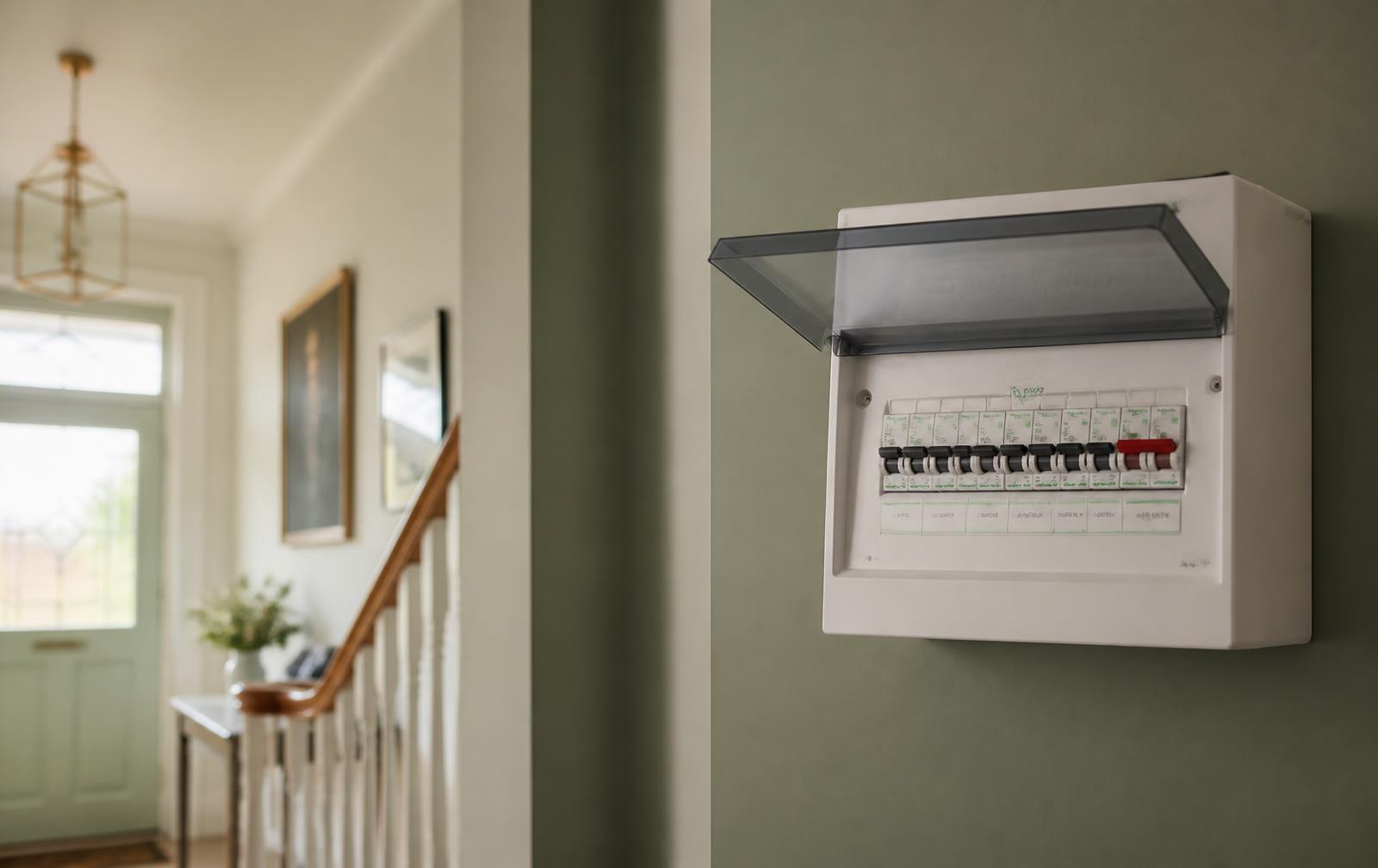
Start with qualifications, not the van
Anyone can print a logo on a van. What matters is whether the person doing the work is qualified to carry it out and certify it. In domestic property the two phrases worth knowing are Part P and the 18th Edition. Part P is the section of the Building Regulations covering electrical safety in dwellings — notifiable work, such as a new circuit or a consumer unit replacement, must be carried out and certified appropriately. The 18th Edition (BS 7671) is the current wiring regulations standard your installation should meet.
Acorn is owner-run: Phill is Part P and 18th Edition qualified, and the business is fully licensed and insured. The person who quotes your job is the person who turns up to do it — which in practice is the single biggest difference between a good experience and a frustrating one.
- Ask who will actually be on site, not just who owns the company.
- Ask what certification you will receive when the work is finished.
- Ask whether the quotation is a fixed scope or an hourly estimate.
- Ask how variations are handled if something unexpected appears behind a wall.
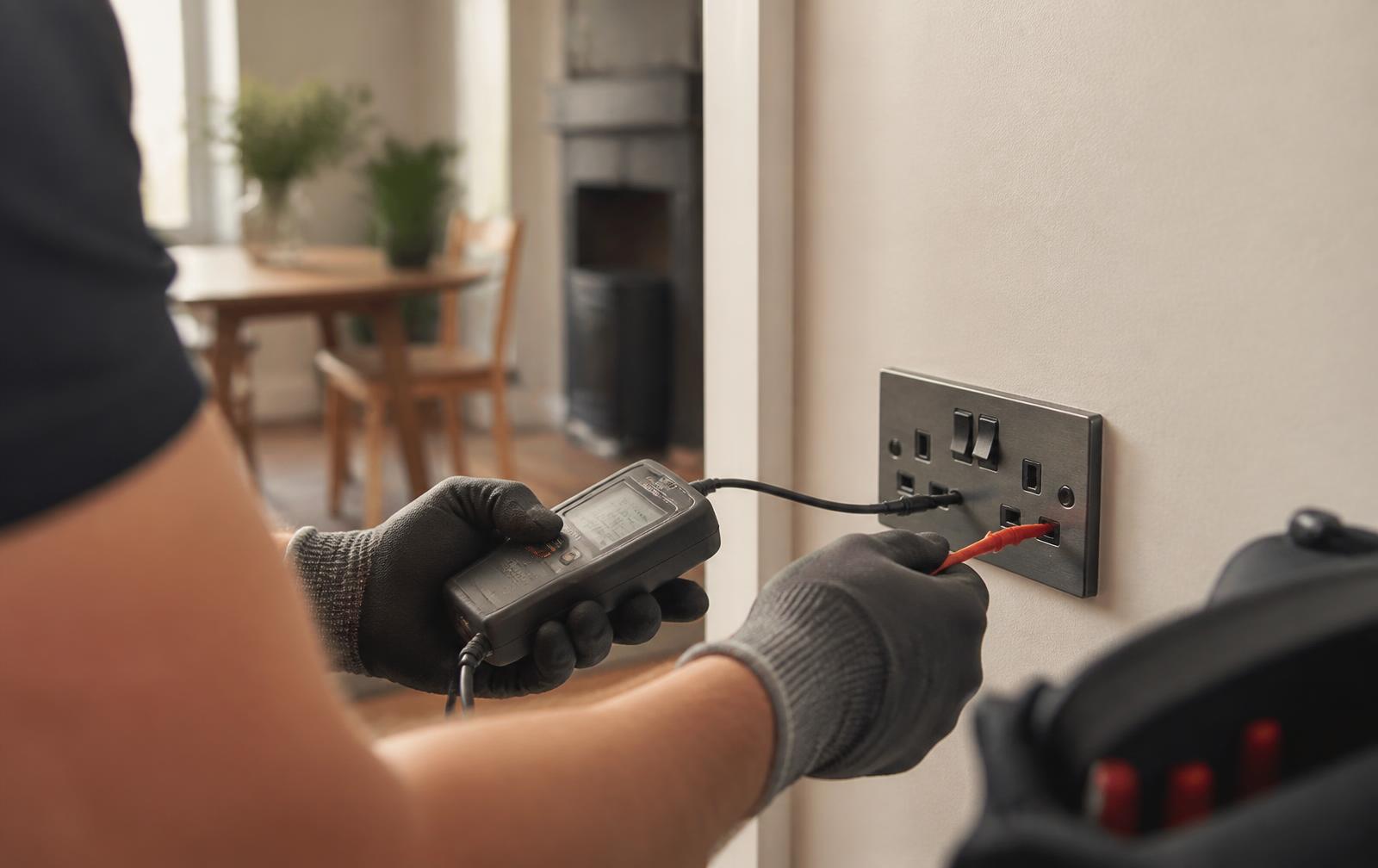
When does a Norfolk home need an EICR?
An Electrical Installation Condition Report (EICR) is a structured inspection and test of the fixed wiring in a property. General guidance is at least every ten years for an owner-occupied home and every five years for rented property — plus whenever you buy, whenever you plan significant work, and whenever something about the installation is behaving oddly.
In practice, older Norwich and Broadland property throws up a predictable set of findings: rubber or fabric-insulated cabling that has passed its useful life, rewireable fuse boxes with no RCD protection, bonding that was never brought up to current standards, and decades of well-meant additions layered onto circuits that were designed for a 1960s household load.
A circuit that trips repeatedly is telling you something. Stop resetting it and get it investigated — persistent tripping is a fault to find, not an inconvenience to work around.
Signs worth acting on
- Breakers or RCDs that trip more than occasionally.
- A fuse box with rewireable fuses rather than modern breakers.
- Sockets or switches that are warm, discoloured or crackle.
- Lights that dim noticeably when an appliance starts up.
- No electrical certificate at all for a property you have just bought.
Rewires, part-rewires and consumer units
Not every ageing installation needs a full rewire. A condition report will often show that circuits are sound and the sensible route is a consumer unit upgrade with modern RCBO protection, plus remedial work on a small number of circuits. A full rewire is the right answer when the cabling itself has failed, when a property is being stripped back anyway, or when an extension or loft conversion changes how the whole house is loaded.
The order of work matters more than most people expect. In an occupied house, staging a rewire room by room, agreeing in advance which sockets stay live each evening, and coordinating with plastering and decorating is the difference between a manageable fortnight and a miserable one.
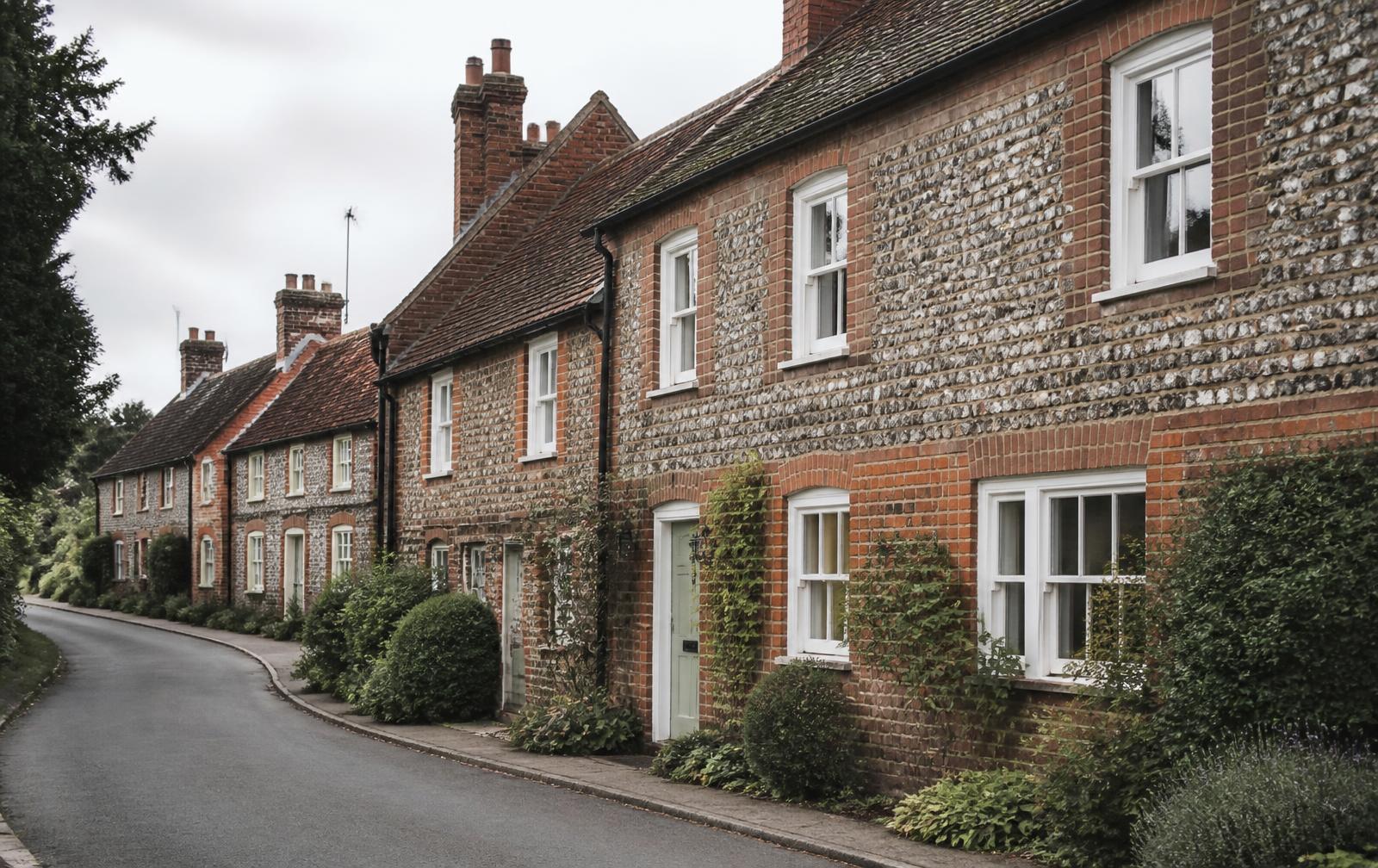
Why local actually matters
Local is not a marketing word here. An electrician based in Norfolk knows the housing stock, can get back to you quickly if something needs looking at again, and is not adding an hour of travel to every visit. Acorn works from Hassingham, between Norwich and the Broads, covering the city itself along with Thorpe St Andrew, Sprowston, Old Catton, Hellesdon, Drayton, Costessey, Blofield, Brundall, Lingwood, Acle, Cantley, Reedham, South Walsham, Rackheath, Salhouse, Poringland, Loddon, Wymondham and Long Stratton.
It also means one team can handle more of the project. Because Acorn covers carpentry, kitchens, bathrooms and outdoor work as well as electrics, a kitchen refit does not stall while you wait for a second trade to find a slot.
Reading a quotation properly
- Scope: which circuits, which rooms, which accessories — in writing.
- Certification: what document you receive and for which work.
- Making good: whether chasing, patching and decoration are included.
- Payment: Acorn takes a 50% deposit on projects over £500, with the balance on completion.
- Guarantee: all work is guaranteed, and electrical work is tested and certified.
If you are weighing up an EICR, a consumer unit upgrade or a full rewire on a property in Norwich or the surrounding villages, a short conversation usually clears up what is genuinely needed. Estimates are free and there is no obligation attached to one.